Following the publication of Militant Migrants: Clements Kadalie, the ICU and the Mass Movement of Black Workers in Southern Africa, 1896-1951 and the launch of the play, Forgotten Voices, historian Henry Dee, and playwright David Moorhead, reflect on their journey to retrace the voices of two of the most significant figures in the Southern African Black liberation struggle.
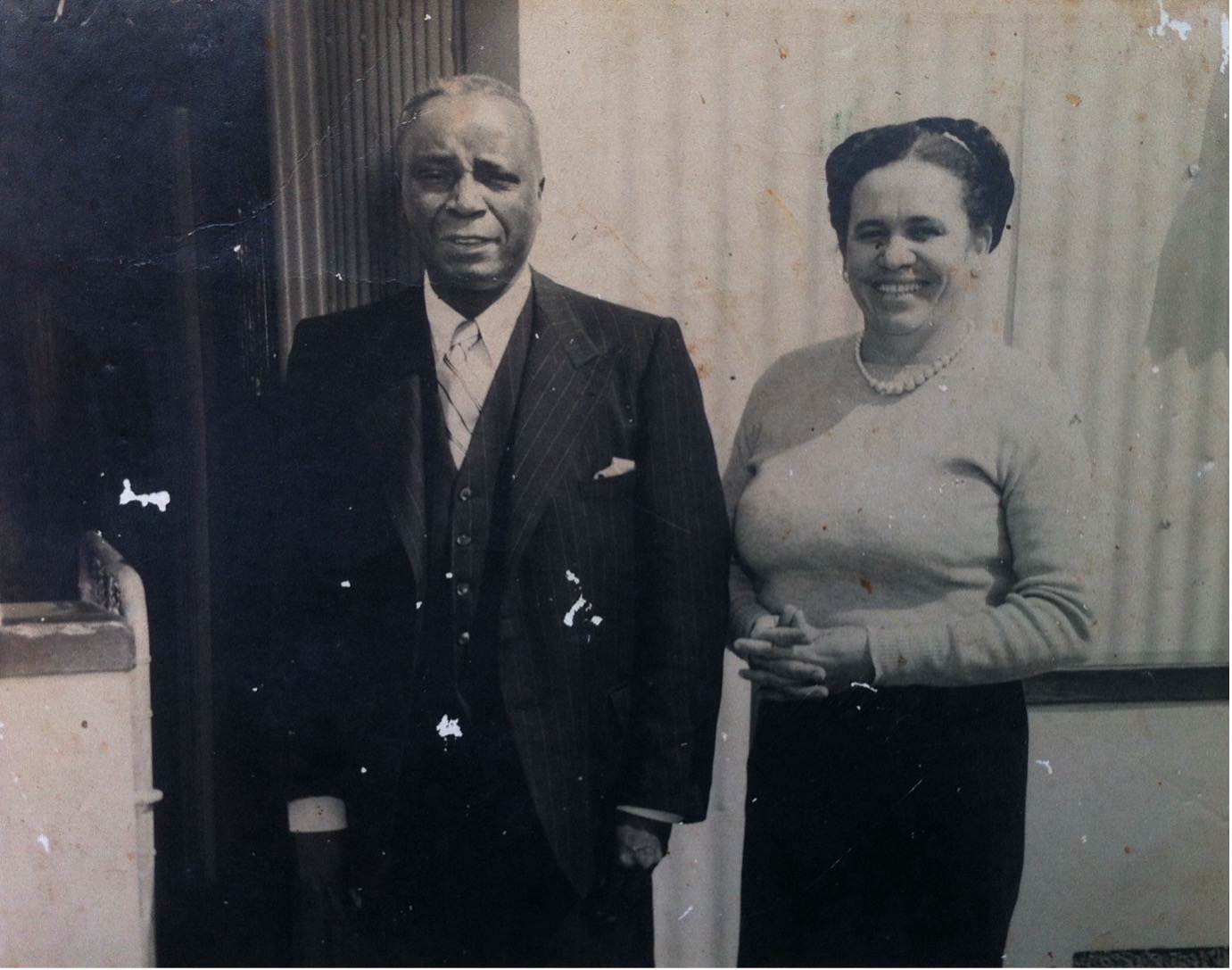
In the early 20th century, Eva and Clements Kadalie were at the forefront of Southern Africa’s Black liberation struggles. Leading the region’s first major Black trade union, the Industrial and Commercial Workers’ Union of Africa (ICU) between the 1920s and 1950s, they unionised hundreds of thousands of workers, eclipsing other contemporary organisations, such as the African National Congress (ANC). In a region where unemployment, economic inequality, domestic abuse, and anti-immigrant violence remain endemic, their lives also continue to be deeply relevant today. Eva emphasised the importance of women workers’ power, while, Clements – who originated from colonial Malawi – embodied a more transnational class struggle that challenged narrower nationalist agendas.
One hundred years on, we retraced their footsteps in February 2026, with a series of events across South Africa based around a new play by David Moorhead Eva’s grandson) titled Forgotten Voices, and a new biography of Clements Kadalie, Militant Migrants, by historian Henry Dee. The tour brought together numerous members of the Kadalie and Moorhead families with trade unionists, community activists, students and academics in rich conversations about the legacy of the early Black labour movement, connecting local and personal events to the ICU’s globally-significant history.
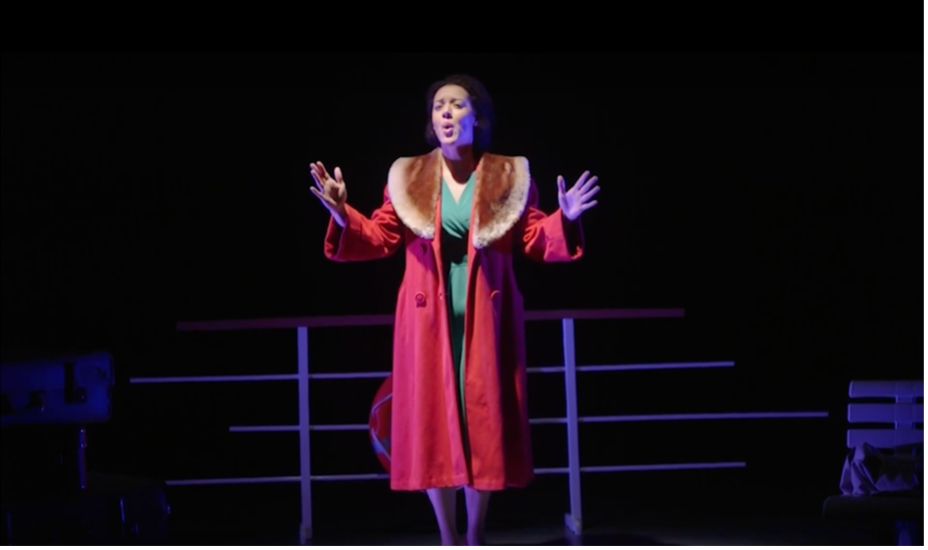
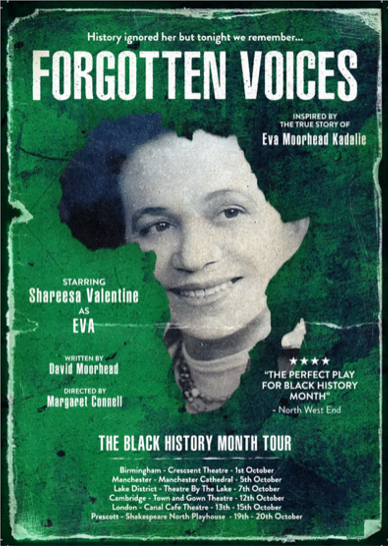
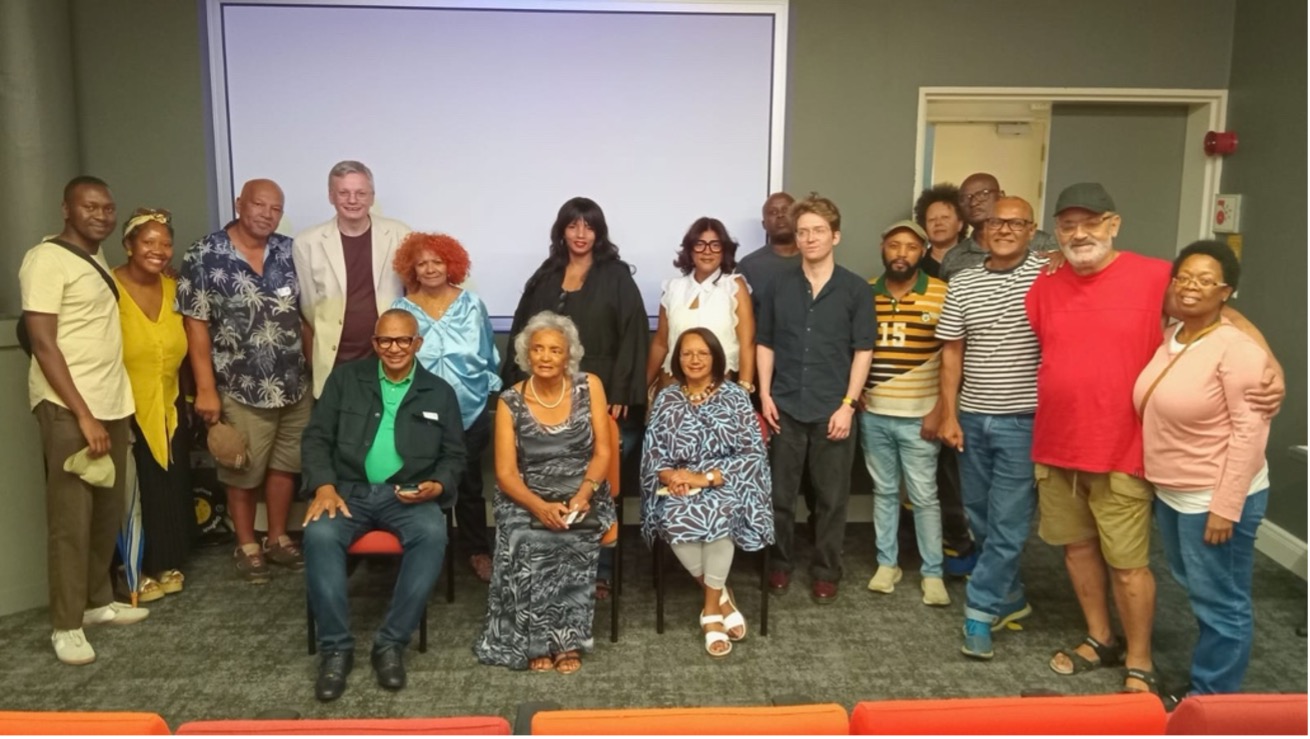
In Cape Town – where the ICU was established in 1919 – Andre Marais of Surplus Books helped organise an event at the community activist centre, Bertha House. Introducing the broader history of the ICU and its roots in Bo-Kaap and District Six, we put on a screening of Forgotten Voices. Discussions focused on women’s activism within the ICU, the significance of Cape Town as a port city, and the ICU’s global connections to revolutionary communists in Russia and revolutionary syndicalists in the American-based Industrial Workers of the World (IWW).
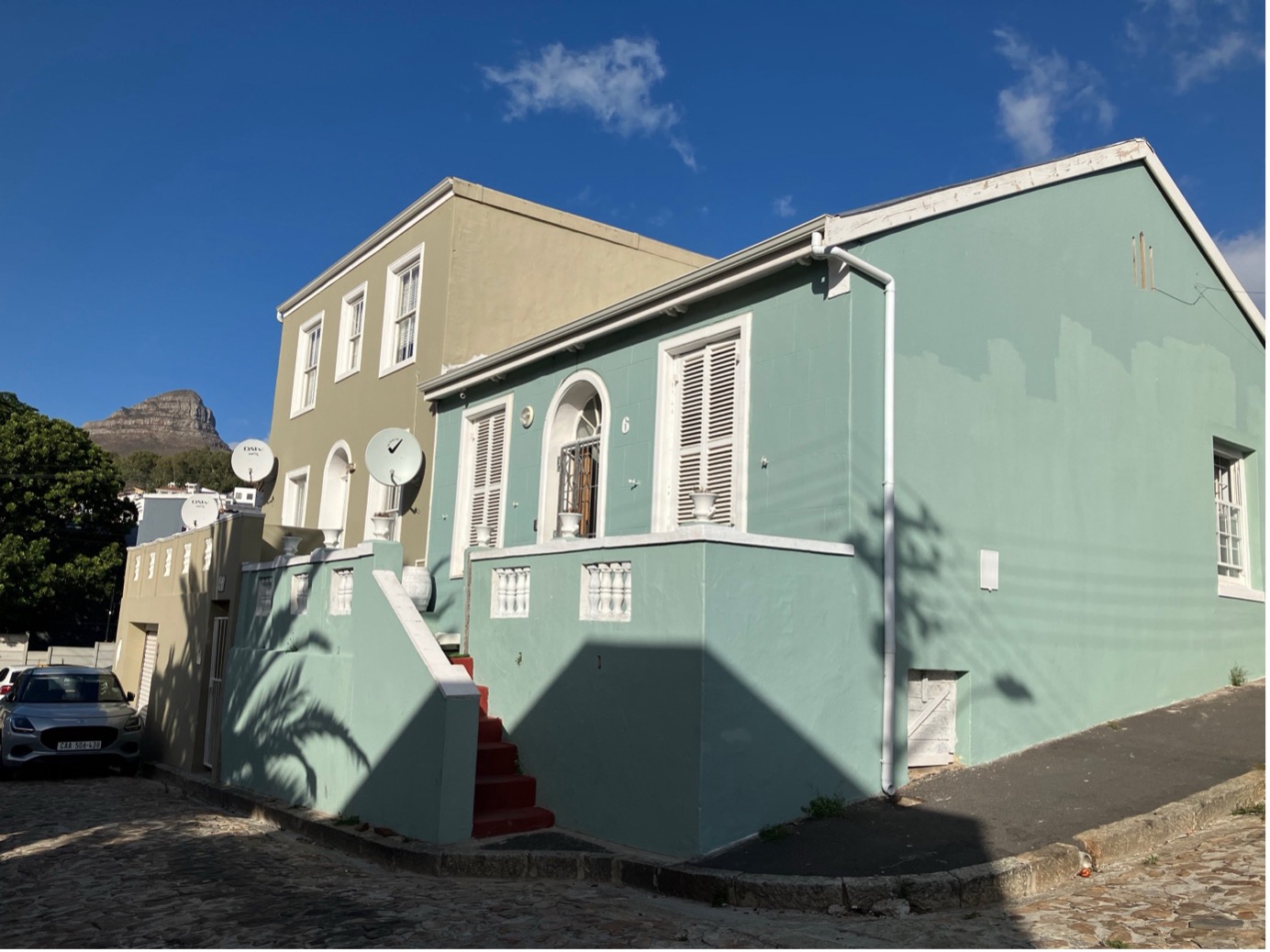
We also visited Johannesburg, where ICU leaders Clements Kadalie, AWG Champion, and Mildred Ngcayiya gained considerable popularity in the mid-1920s addressing huge rallies of up to 6,000 workers in Market Square (today’s Beyers Naudé Square). Organising thousands on the mine compounds and in the slums, the ICU briefly took marabi culture (a heady combination of drinking and jazz) from the shebeens to the city’s streets, and strikingly sent £50 and supportive resolutions to striking British miners in mid-1926.
Noor Nieftagodien and Ariana Lissoni helped run a seminar and screening of Forgotten Voices at the University of the Witwatersrand’s History Workshop, with audience questions focusing on the connections between town and country; the ICU’s often-fractious relationship with the Communist Party and the ANC; and how ICU gained considerable traction among Johannesburg’s working-class districts.
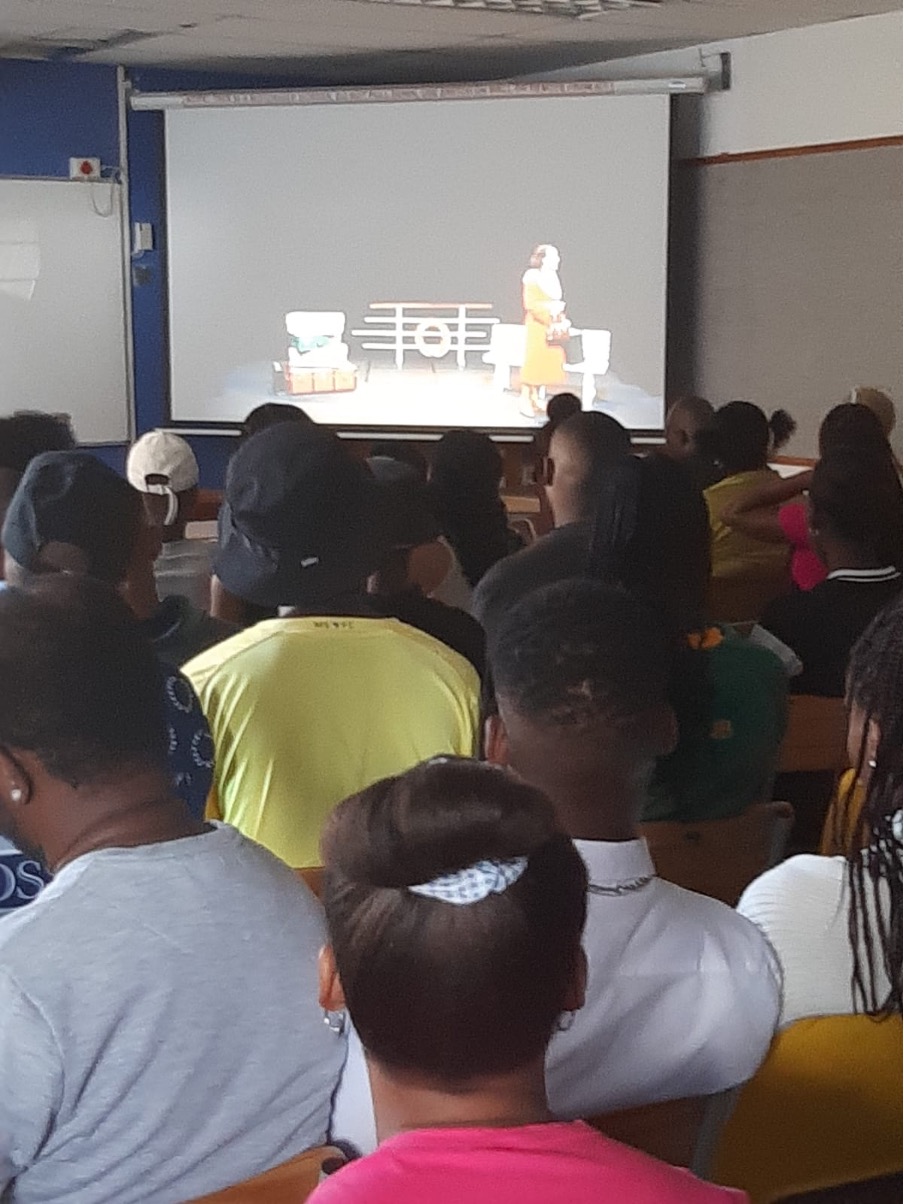
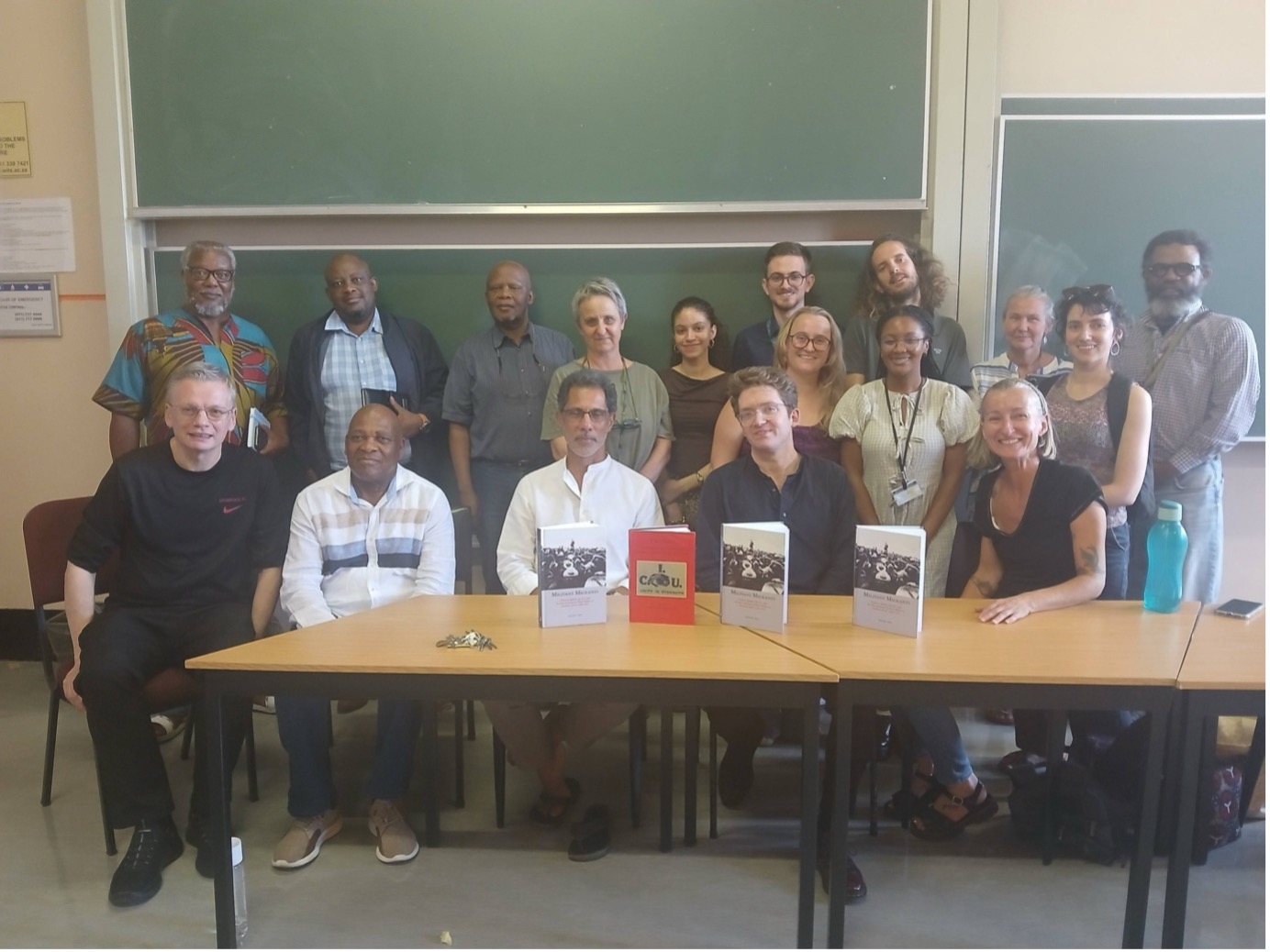
We followed this with visits to Bloemfontein, where women ICU members were particularly militant, and to East London, where the ICU remained prominent into the late 1950s. At the University of Fort Hare in East London, Leroy Maisiri, Ncebakazi Makwetu and Nicole Ulrich of the Department of Liberation Studies hosted a packed 400+ person seminar – in-person and online – with discussions highlighting Forgotten Voices’ combination of political, economic and social questions, and how private women’s issues could heavily influence the political landscape.
In East London, we also wanted to visit Eva and Clements Kadalie’s grave. Leaving South Africa after Clements’ death in 1951, Eva died in England in 1974. Through the efforts of her son Victor, she was eventually reburied with Clements – as she wished – at East London’s Cambridge cemetery in 2012, flanked by an ANC guard of honour. Numerous family members subsequently took part in a commemorative event organised by Vuyokazi Kadalie, Victor’s granddaughter, and the Ilanga Institute in May 2021, attended by Joyce Banda, the former president of Malawi, as well as local leaders of the Congress of South African Trade Unions (COSATU).
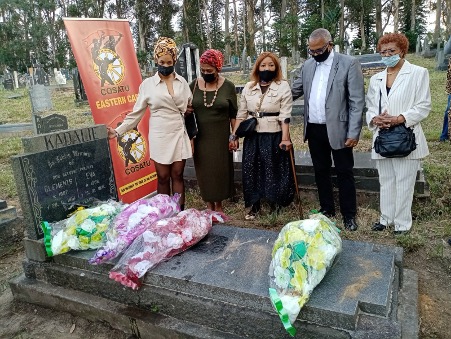
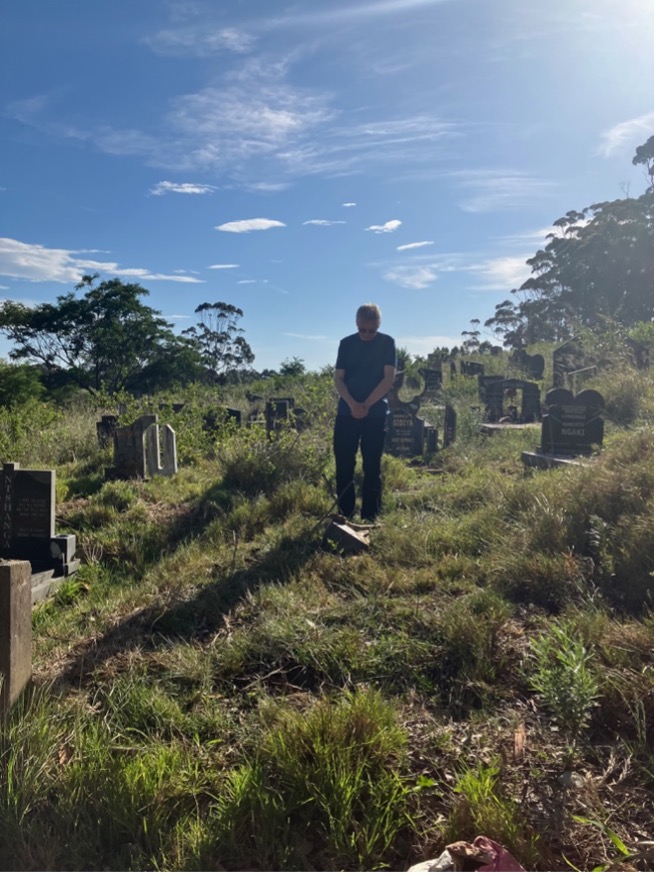
Arriving at Cambridge cemetery in late February 2026, we were less fortunate. After two hours searching in the afternoon heat, local attendants identified the stones that surrounded the grave’s original location; however, only an overgrown knoll now remained. It’s not at all clear what had happened. Was the gravestone stolen? Was it a targeted theft, or randomly taken by thieves looking to resell the stone? Were their remains taken, as well as the gravestone?
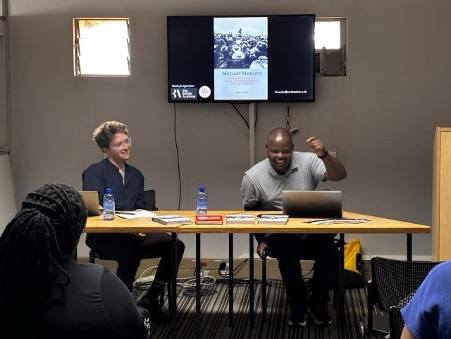
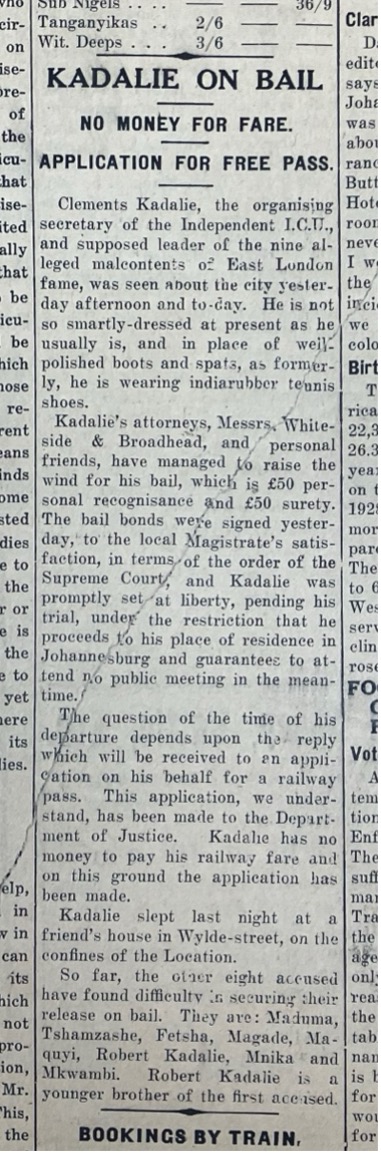
Getting back on the road, we subsequently travelled to Makhanda, where Clements Kadalie stood trial for “inciting violence” in May 1930, and a smaller branch of the ICU, heavily influenced by the ideas of Jamaican Black nationalist Marcus Garvey, existed into the late 1930s under local leader Joel Magade, based out of 42 Albert Road. At Rhodes University, we were hosted by Lucien van der Walt and the Neil Aggett Labour Studies Unit (NALSU). Audience questions focused on how the ICU related to migrant labour organising in the 1920s, and what lessons could be taken today about migrant workers and the undercutting of wages. You can watch a recording of the Makhanda event by NALSU here and listen here.
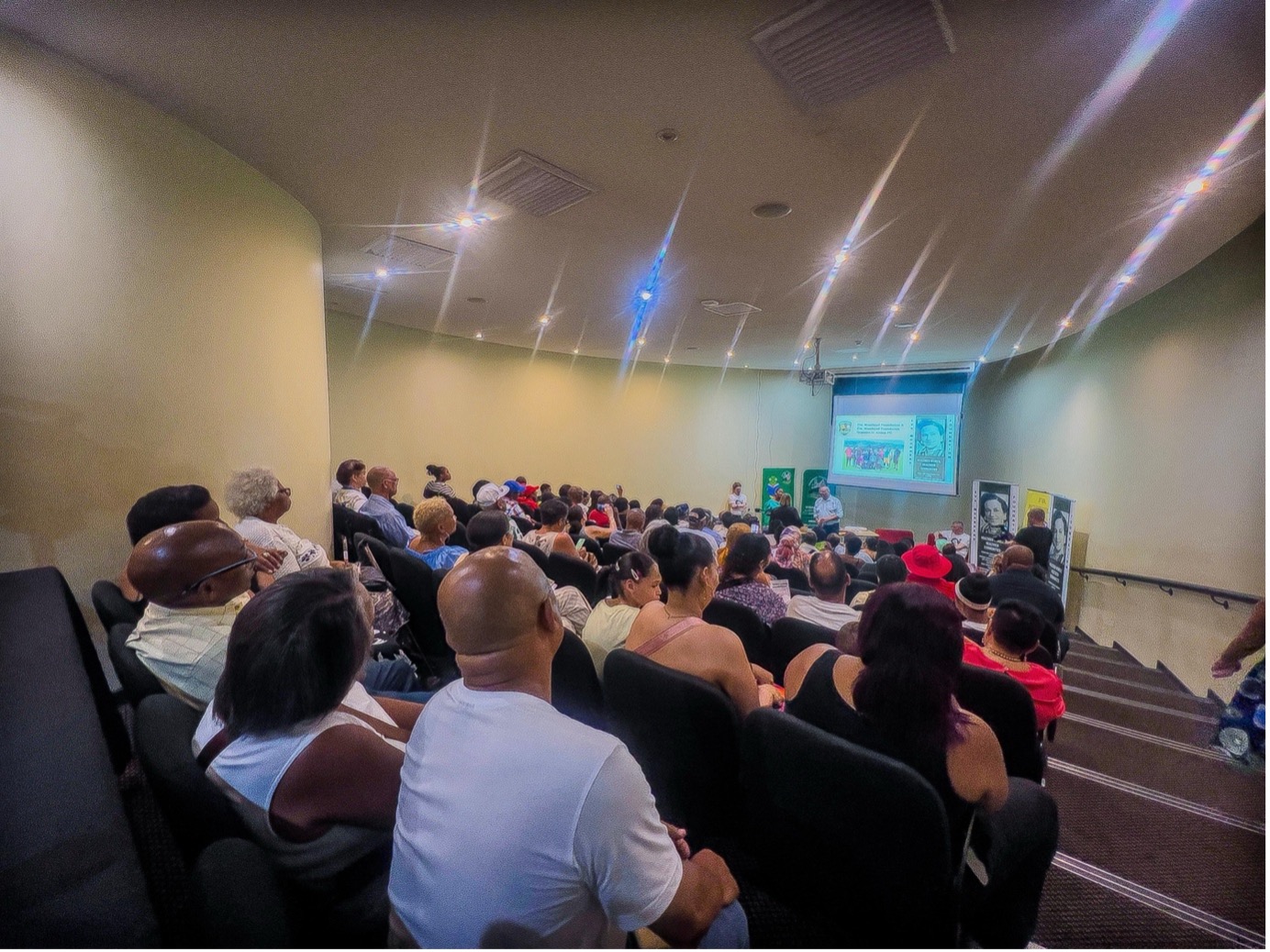
The highlight of the trip was our final event at the Bessie Head Library in Pietermaritzburg with over 120 audience members helping Wendy Marion Moorhead and Chey-Lynn Moorhead launch the Eva Moorhead Foundation. Although originally from nearby Greytown, Eva’s family had strong links with the Pietermaritzburg area. Clements Kadalie gave a landmark speech in February 1926, leading to a successful campaign against being barred from entering KwaZulu Natal. Many older women in the audience appreciated Eva’s voice, having never heard their stories told before.
Throughout our trip, it was invaluable to recall earlier struggles that were defined by a globally-connected socialist politics, and take these stories to local spaces where they were not necessarily remembered – from the locations of ICU strikes in Cape Town, Johannesburg, Bloemfontein and East London, to less familiar but nevertheless significant histories of the Kadalies in Makhanda, Pietermaritzburg and elsewhere.
Today the ICU is often invoked as being distinct from later labour movements because of its transnational scope, its proactive organisation of both farm workers and transnational migrant workers, and its ‘big tent’ politics. Arguably it is through Clements Kadalie and the ICU that both Marcus Garvey’s Universal Negro Improvement Association (UNIA) and the IWW found their most popular expression in interwar Southern Africa.
Nevertheless, alongside this recognised importance comes ongoing difficulties around other histories that Clements and Eva Kadalie embodied, with questions about immigrant worker organising and the recognition of women workers remaining unresolved. Although in many ways the culmination of both our projects, the trip also left us with questions at both a personal and a macro level.
Acknowledgements:
We are grateful to everyone in South Africa who made this tour possible – Victor Gwande, Bruce Kadalie, Ariana Lissoni, Leroy Maisiri, Ncebakazi Makwetu, Andre Marais, Wendy Marion Moorhead, Chey-Lynn Moorhead, Noor Nieftagodien, Lazlo Passemiers, Nicole Ulrich and Lucien van der Walt – and to Rachel Macdonald and Niamh McLachlan-Hunt at the Glasgow University research office for crucial logistical support.
Funding was provided by the Society for the Study of Labour History, The British Academy and the Neil Aggett Labour Studies Unit.
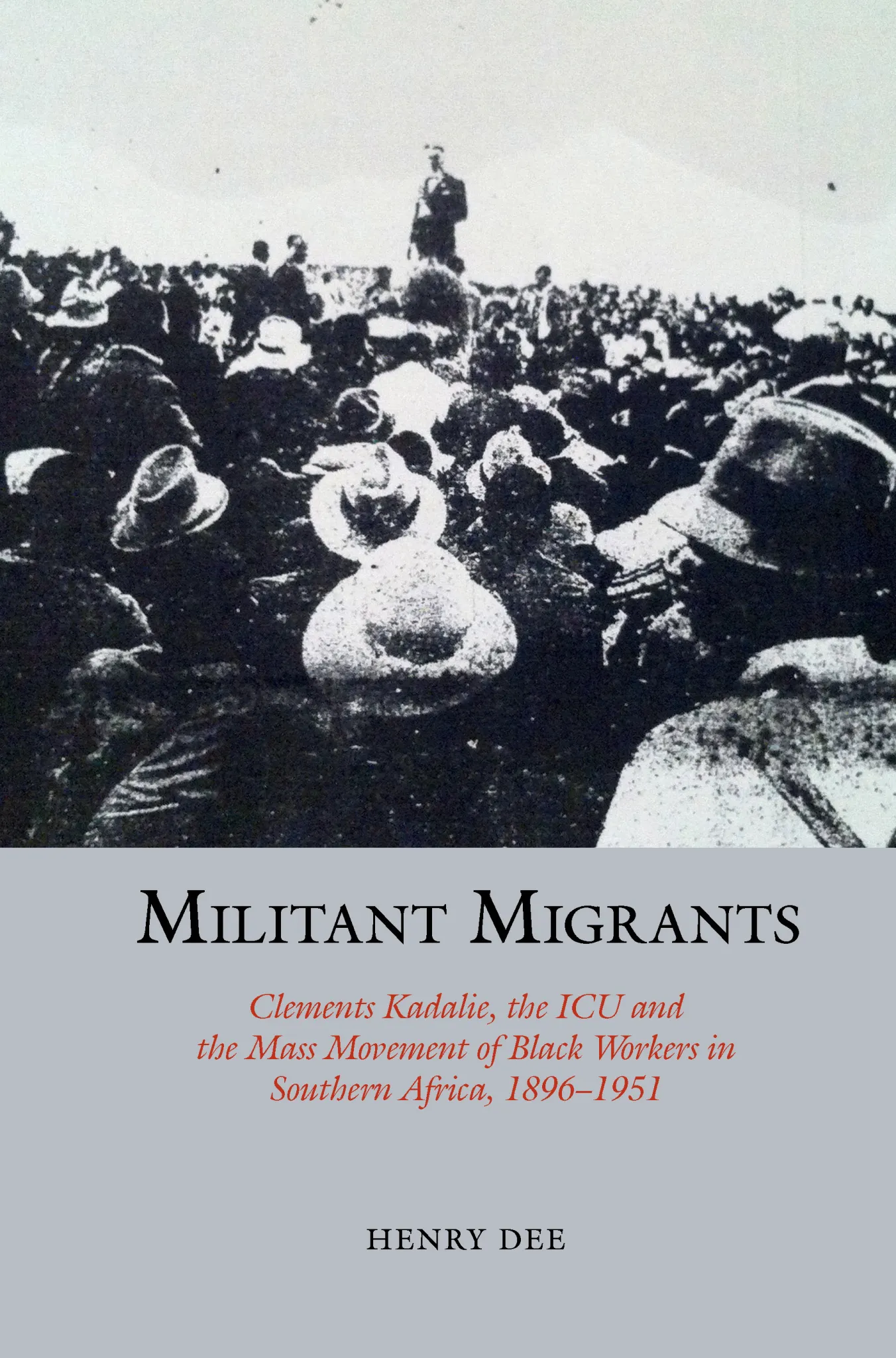
Find out more about Militant Migrants and order a copy.
Find out more about the Studies in Labour History book series.
Find out more about David Moorhead’s play, Forgotten Voices
Watch a recorded version of Forgotten Voices
Discover more from Society for the Study of Labour History
Subscribe to get the latest posts sent to your email.

