Academics, independent historians, heritage professionals, trade unionists, activists, and many more gathered in Manchester at the People’s History Museum for a one-day conference marking the centenary of the 1926 General Strike.
May 2026 marks the centenary of the 1926 General Strike when, for nine days – from 3 to 12 May 1926 – industrial production across Britain ground to a halt as trade unionists and workers attempted to force the government to prevent wage reductions for 1.2 million locked-out coal miners. With its long history of working-class activism and strong ties to the wider labour movement, Manchester proved an ideal venue for an event reflecting on the legacy of the 1926 General Strike.
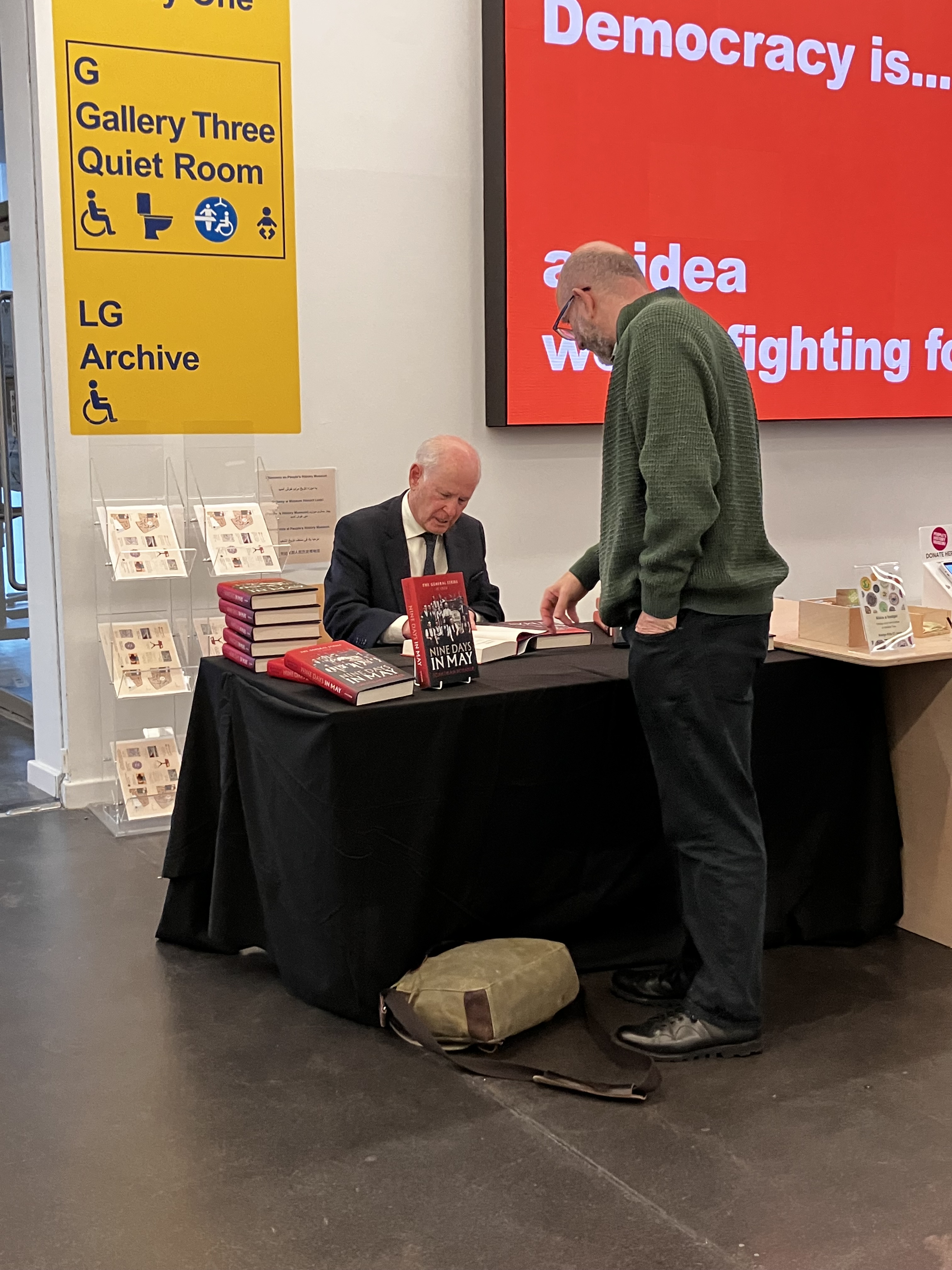
The event began with a keynote address from Dr Jonathan Schneer, whose newly published monograph, Nine Days in May: The General Strike of 1926, formed the basis of his presentation. According to Schneer, the General Strike represented a ‘titanic struggle between the world’s most powerful and best organised labour movement and Europe’s most effective and self-confident government’. 1
In considerable detail, Dr Schneer explained why and how the strike emerged, the centrality of coal to the dispute, why so many workers were willing to make sacrifices in support of the miners, the key figures involved, and the ways in which the strike was both organised and resisted.
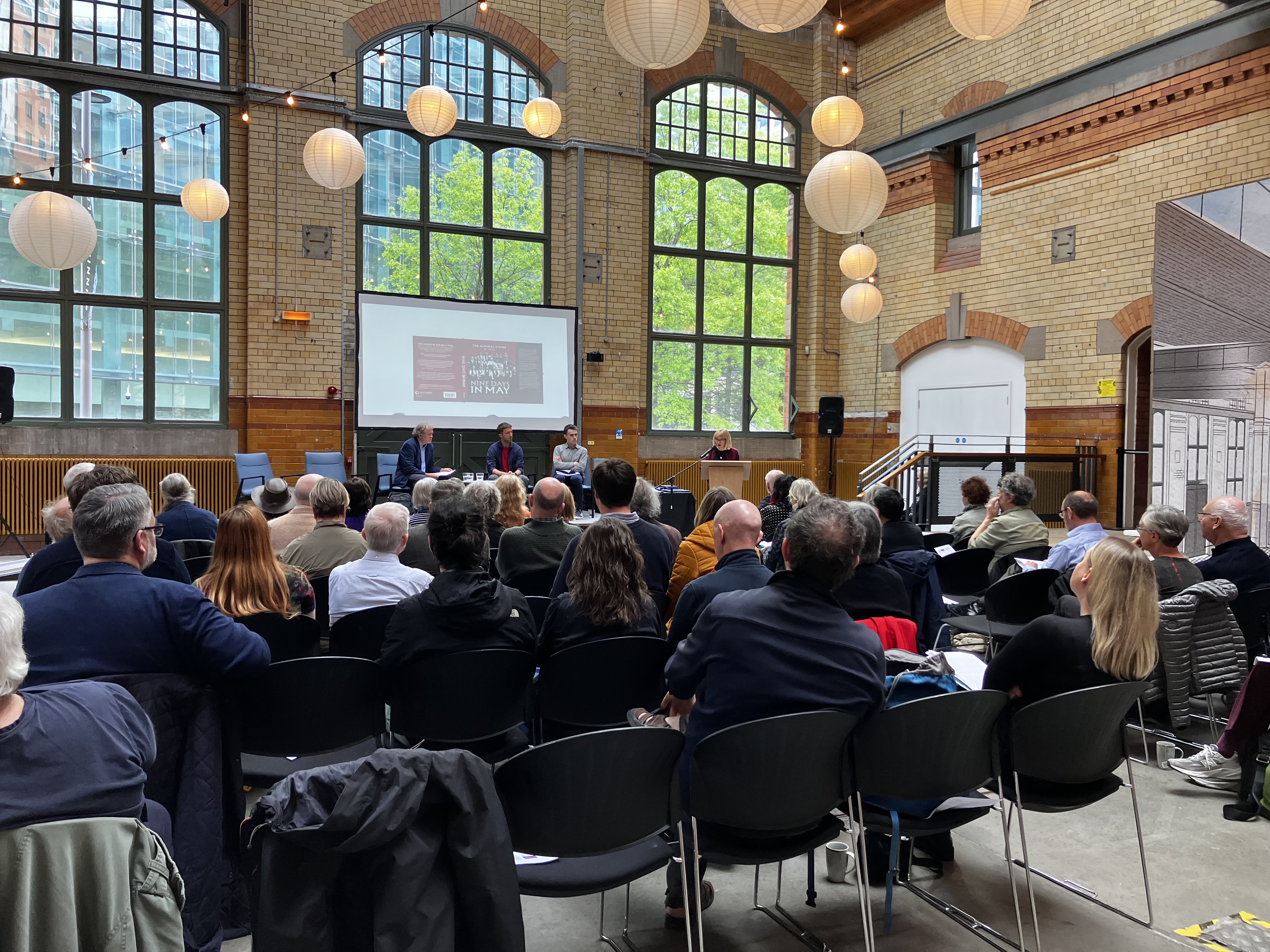
Next, Dr Janette Martin, from the John Rylands Library, introduced three speakers – Professor Kevin Morgan, Dr Oliver Price, and Dr Joe Rigby – who delivered a series of engaging presentations exploring the etymology and historical memory of the General Strike, the role of undercover policing and fascist strike-breakers, and the often-overlooked industrial history of Cumberland and Westmorland.
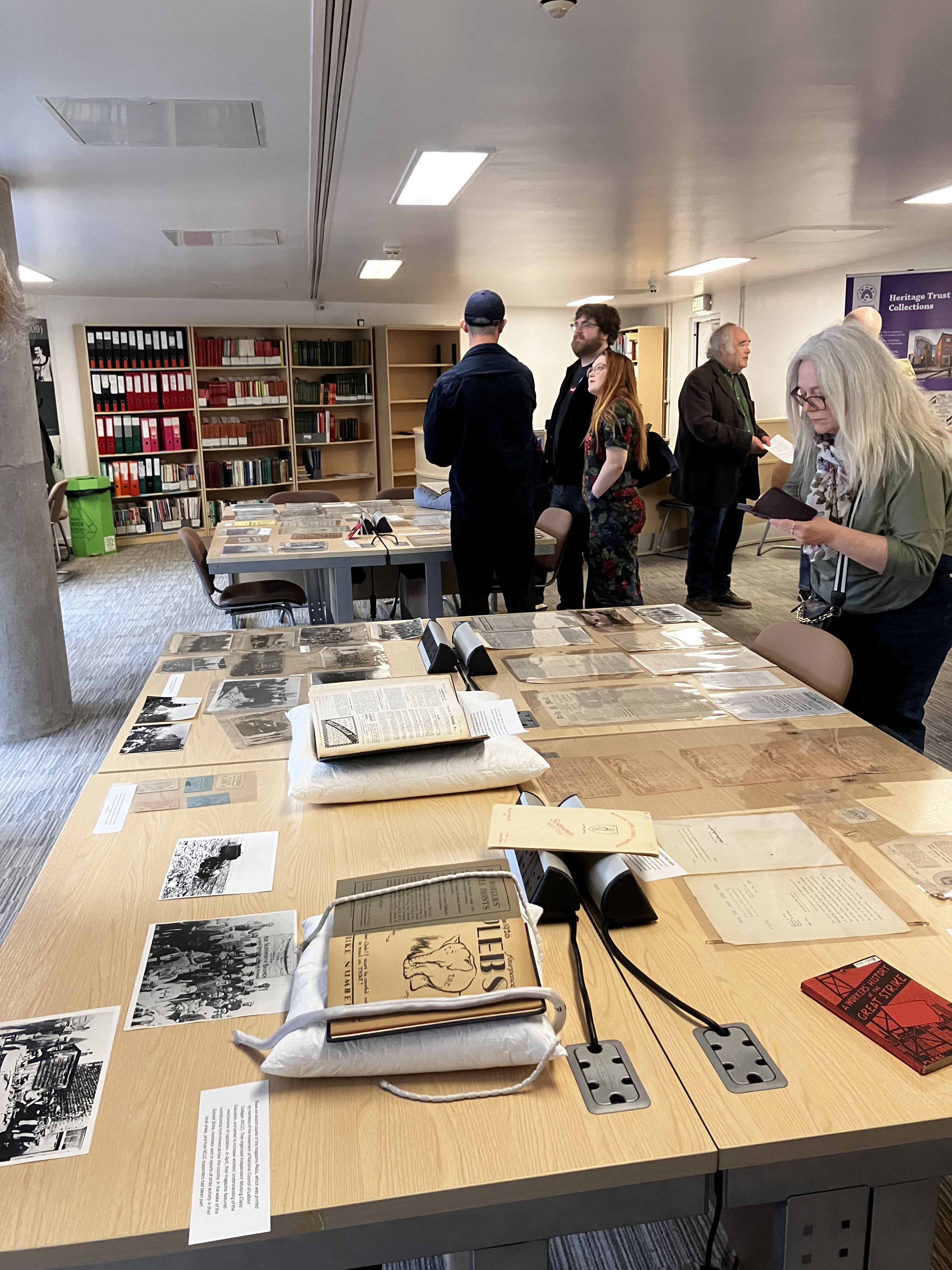
During the lunch interval, guests were invited to browse a range of rare archival materials and engage directly with the collections on display. Attendees were able to ask questions and discuss the contents of collections from the Labour History Archive (housed at the People’s History Museum), alongside documents from the John Rylands Library, the Working Class Movement Library, and the National Co-operative Archive.
After the break, Ali Ronan introduced a further series of speakers – Richard Temple, Professor Michael Sanders, and Dr Jane Clarke – who examined the role of women during the General Strike, including ‘Red’ Ellen Wilkinson, MP for Jarrow, the themes of ‘duty’ and ‘service’ among ex-servicewomen during a ‘national emergency’, and a thought provoking discussion on future Labour MP, Susan Lawrence. A constant theme throughout the day was national service and wartime duty. These principles, which functioned as a gendered response to the crisis, were the primary motivation for the middle class women running the canteens.
Attention then shifted towards the collections of the National Co-operative Archive, as Jane Donaldson introduced papers by Nick Smith and Professor Tony Taylor examining the relationship between the co-operative movement and the General Strike. Nick Smith explored ‘The General Strike at Rowntree & Co’, examining how well-paid workers were reluctant to strike because they felt it would be a betrayal, but were encouraged to do so by management, who insisted that they should. Professor Tony Taylor, meanwhile, noted that support for the strike was far from universal across the co-operative movement, but highlighted their wide ranging support.
Following a further opportunity for discussion, exploration, and refreshments, audience members and guest speakers returned to the Engine Hall for a concluding roundtable discussion examining the legacy of the 1926 General Strike. Chaired by Belinda Scarlett, the panel featured Dr Jonathan Schneer, Professor Chris Godden, and Michael Adboh-Davison, and Laura Verdasco. Together, the panellists reflected on the legacy of the General Strike one hundred years on, considering its successes, failures, and continuing relevance in the present day.
For a full summary of the conference programme.
Note: this article was supplemented on the 29 May 2026 with additional material, thanks to Jenny Mabbott.
- Jonathan Schneer, Nine Days in May: The General Strike of 1926 (Oxford, 2026), p1. ↩︎
Discover more from Society for the Study of Labour History
Subscribe to get the latest posts sent to your email.

