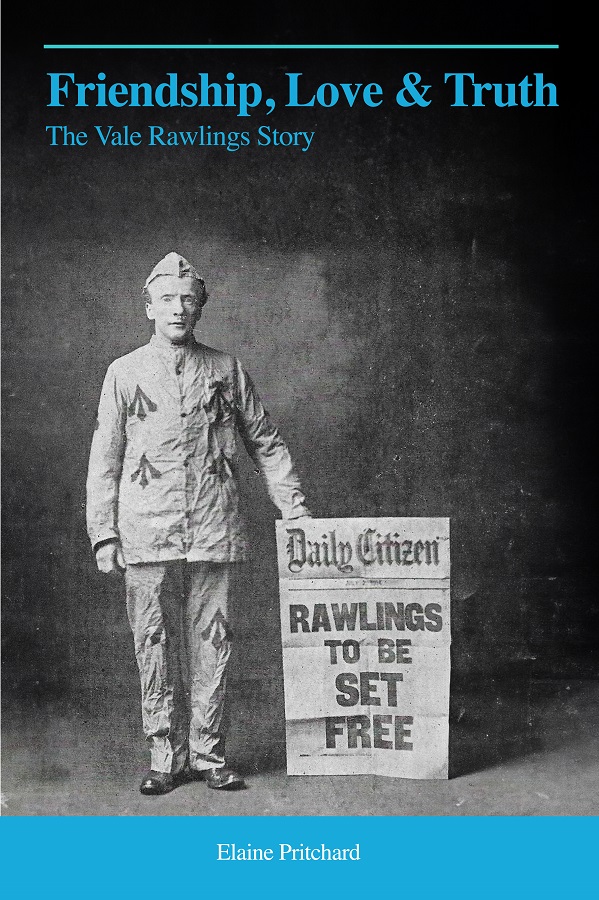
In July 2024, I shared my plans to tell the story of forgotten Staffordshire trade unionist, Vale Rawlings, in a play and a book. You can read that story here.
Click to enlarge.
Now, the play has been staged, filmed, and the book is published, but discoveries about new aspects of Vale’s story continue to emerge. I tracked down a number of Vale’s granddaughters and found that one of them possessed a wealth of original letters, documents, photos, and press cuttings that had been passed down to her by Vale’s daughter. The support and help of Vale’s descendants have been invaluable in bringing his story to life.
The original focus of the story was Vale’s trial in June 1914 on two charges of assault, which arose out of a strike by the so-called ‘Flycatcher girls’, a group of young women factory workers—many aged between 13 and 17—who worked 55 hours per week making flypapers in Burton upon Trent.
I was thrilled to discover that Vale’s granddaughter possessed original handwritten witness statements, gathered in the week between the incident and the trial. These documents echoed the extensive newspaper coverage, but they also contained additional details that helped me bring to light the voices of those who stood on a Burton street on a Friday afternoon more than 110 years ago. It was no wonder I wanted to hear them spoken again on stage.
Click to enlarge.
Vale was a constant thorn in the side of the town’s breweries and other industry bosses, and his key role in establishing the first Burton branch of the Workers’ Union was a factor in his hasty conviction for assault. After reading the court transcripts and witness statements, Labour MP Keir Hardie, described Vale’s conviction as ‘a gross miscarriage of justice’. Hardie pursued calls for a retrial tirelessly through Parliament and during private meetings with Home Secretary Reginald McKenna.
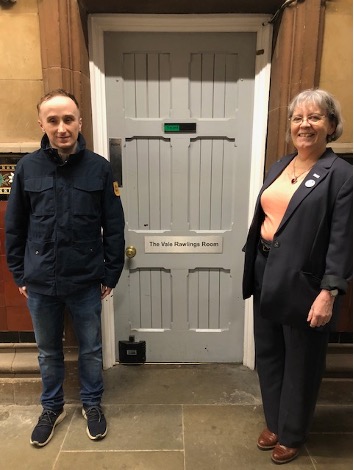
In December 2024, a community cast of 30 moved an audience in Burton Town Hall to tears as they performed Strikers! as a rehearsed reading. Support from East Staffordshire Borough Council and local trade union branches was essential in helping me stage the play, ensuring more than £2,300 in profit was split between two local charities. A room at the Town Hall was later renamed The Vale Rawlings Room, with every councillor from across the political spectrum voting for the change.
I made two visits to the Modern Records Centre at the University of Warwick to read many Workers’ Union annual reports from 1910–1920 and to gather valuable background information and understanding. I am indebted to Unite the Union, who gave me their blessing to consult their archive at Warwick and use it in the manuscript of my book, which began to take shape after the play had been performed. I am also grateful for having access to a wealth of background information about twentieth century labour history, which as a member of SSLH, I have been able to access online and through copies of Labour History Review.
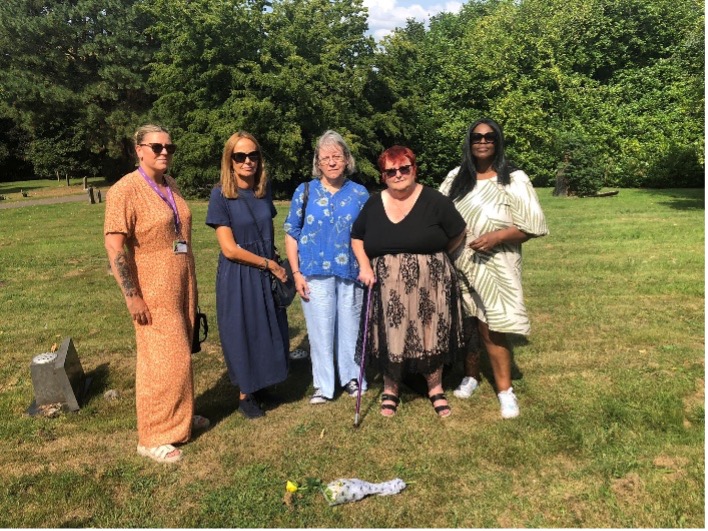
(Left to right: Caroline Fotheringham of SARAC; Councillor Louise Walker; Elaine Pritchard; WASPI campaigner May Low, and Deputy Mayor of East Staffordshire Monica Holton).
The more widely I read about Vale, the richer the story became. I knew he had been a First World War conscientious objector and that his granddaughter held letters he wrote during his time in custody. On their own they were interesting, but significant sections of the story were missing. Later, I learned that Staffordshire Record Office also held documents relating to Vale’s unsuccessful attempts to secure an exemption from service. By putting the two sets of documents together, I now had a detailed account of Vale’s journey as a conscientious objector, beginning with his call-up, through to his local military tribunal, the county appeal court, and finally the magistrates’ court.
Vale had refused to report for duty, so was arrested and sent to the Guard Room at Lichfield Barracks. His continued refusal to follow orders saw him moved to South Camp at Ripon, from where he was court-martialled and sentenced to two years’ hard labour at Wormwood Scrubs. After a few months, he accepted a transfer to the Princetown work camp at Dartmoor before his failing health—and pressure from family and MP Philip Snowden—secured his early release.
After the war, Vale sat on the Board of Guardians of the local workhouse as a local councillor. Here, he met a deeply troubled and vulnerable young woman, Constance Shreeve, who had been in the workhouse since she was around four or five years old. Constance later tragically died in the workhouse after apparently drinking disinfectant. This discovery led to a chapter of my book which focuses on her story.
The SARAC (Sexual Abuse and Rape Advice Centre) and Burton YMCA—which the Vale Rawlings project raises funds for—were struck by the tragic story of Constance Shreeve. The charities are now looking into the idea of establishing a mentoring project in Constance’s name to give her the justice and recognition she never received in her own short life. The community interest company that I established with William Walker, Secretary of East Staffordshire Trades Council, continues to donate all profits from book sales, talks, and screenings of Strikers! to the two charities.
The book is now available, priced £15.99 via the Ko-fi page, or by emailing valerawlingsprojectcic@gmail.com.
Contact Information:
I am happy to be contacted by any organisations or clubs who would like a talk about Vale or would be interested in screening the Strikers! film in return for a donation to the CIC.
More information can be found at www.forgottenburtonstories.co.uk and on our Facebook page.
Discover more from Society for the Study of Labour History
Subscribe to get the latest posts sent to your email.
 Society for the Study of Labour History