Three new books offer insights into the lives of Chartist activists.
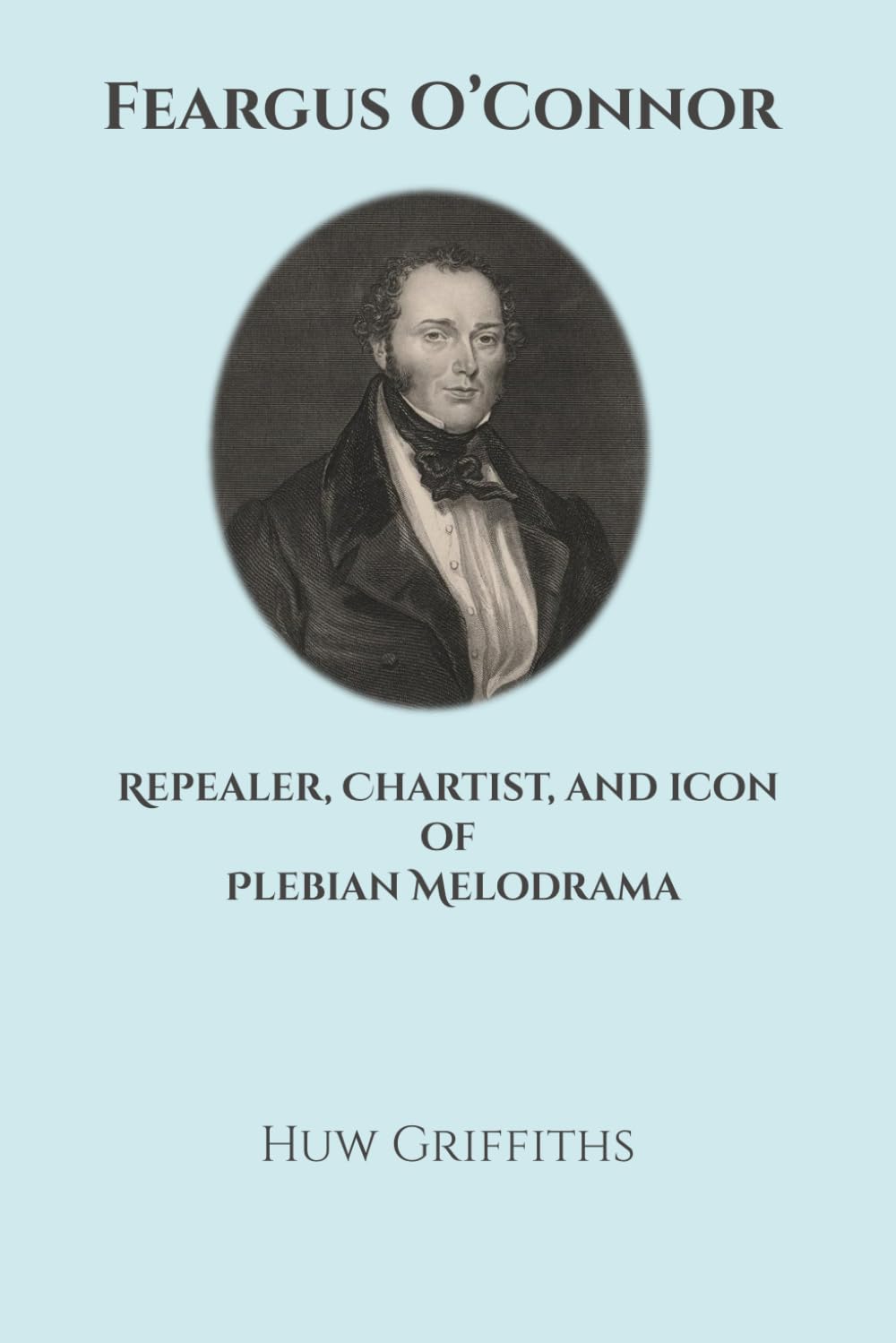
Feargus O’Connor: Repealer, Chartist, and icon of Plebian Melodrama, by Huw Griffiths (paperback, 330pp) is a meticulously researched and detailed new biography of the Chartist leader which seeks to appraise the life of ‘the most famous Irishman of his generation to remain all but forgotten and unheralded in his own country’, to deconstruct ‘the inscrutabilities surrounding the life and career of this unusual and influential popular politician’, and to separate him from the bathos, hyperbole and melodrama that surrounded him. It suggests that working-class organisation before O’Connor had been ‘piecemeal, fragmented, suppressed, and short-lived’. He not only overcame these weaknesses, but bequeathed ‘a legacy of confidence’ to future generations.
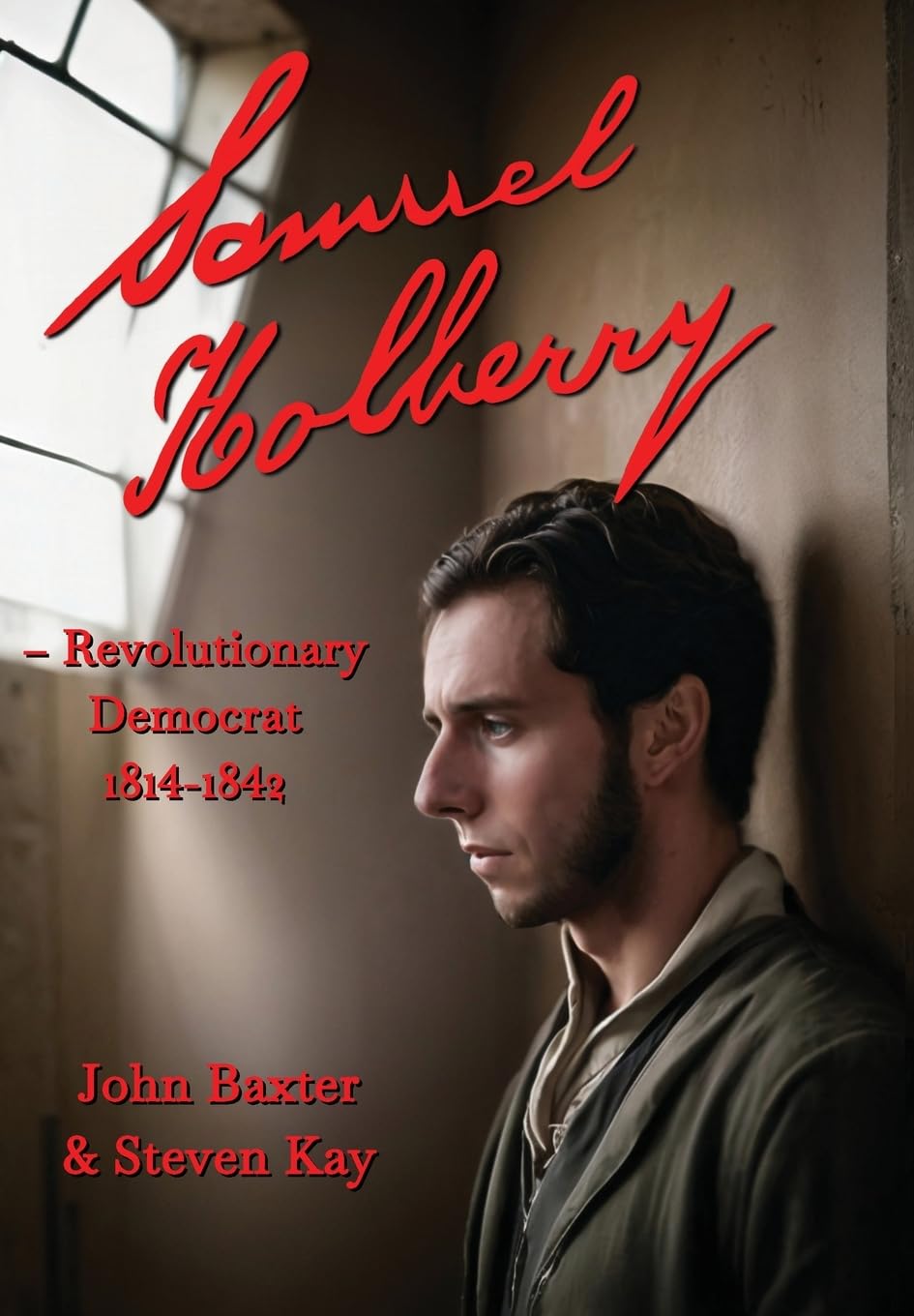
Samuel Holberry – Revolutionary Democrat 1814-1842, by John Baxter and Steven Kay (1889 Books, paperback, 223pp) is divided into three parts. Its first 60 pages tell the story of the Sheffield Chartist’s life and insurrectionary or even revolutionary ambitions, and his arrest, trial and imprisonment. Its second part, of 40 pages, deals with his funeral, political legacy and commemorations of his life into the tentieth century. The third part, of some 120 pages, provides transcripts of primary sources including newspaper reports and letters, many previously unpublished. John Baxter has been active in recovering and reclaiming Holberry’s story since the 1970s, and no-one knows more about him or about Sheffield Chartism. This is a valuable source for future researchers.
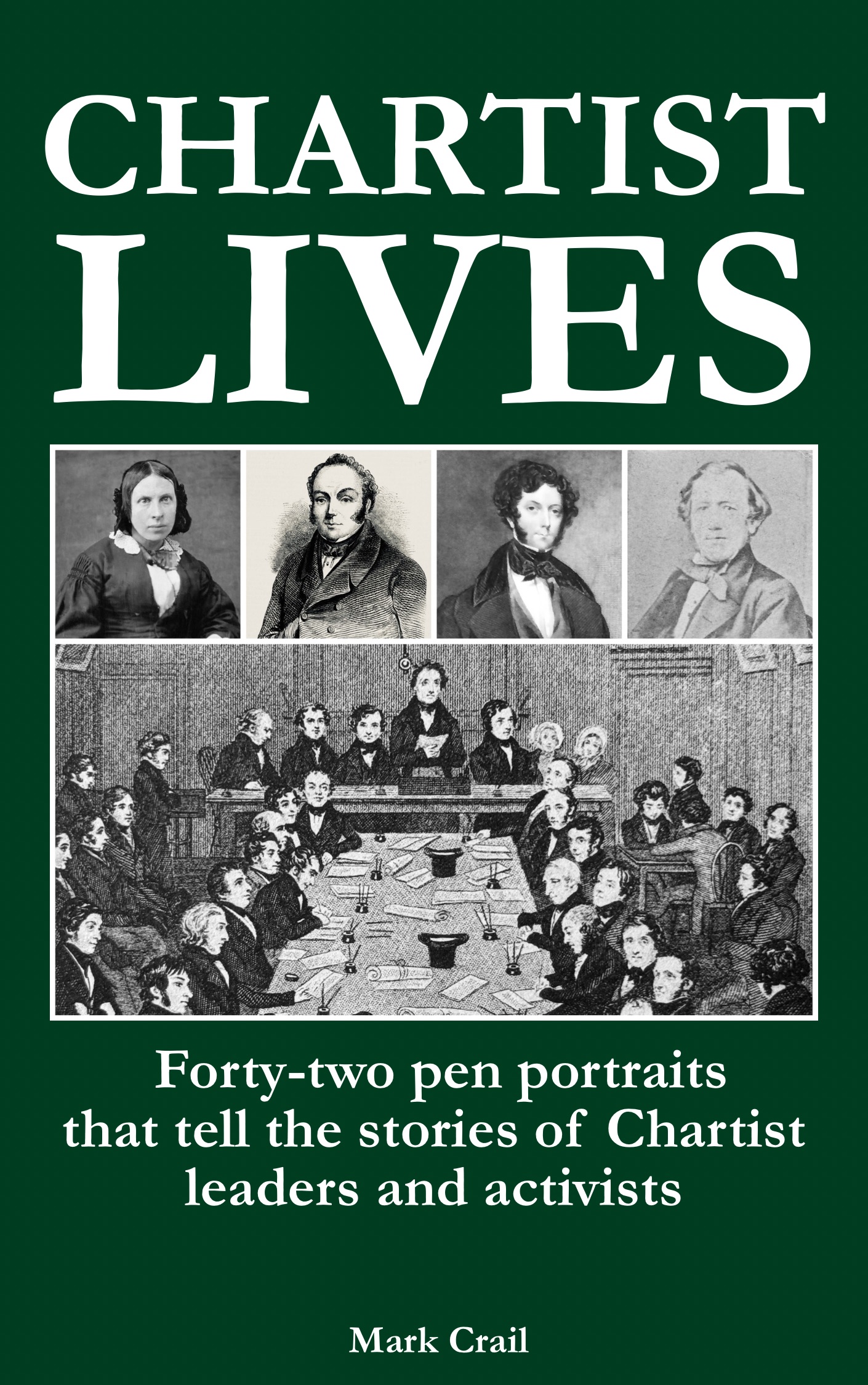
Chartist Lives: forty-two pen portraits that tell the stories of Chartist leaders and activists, by Mark Crail (paperback, 297pp) takes a broader approach, drawing on the author’s Chartist Ancestors website to provide a series of short biographies. Among the lesser-known Chartists featured are George Black, who went on to play a significant role in the Eureka rising in Australia; the City of London female Chartists whose demands for political rights caused consternation in the emerging Fleet Street press and even within the Chartist ranks; and the Wyatt family, who played a significant part in the capital’s Chartist community and would later contribute to Australia’s municipal politics.
Discover more from Society for the Study of Labour History
Subscribe to get the latest posts sent to your email.
 Society for the Study of Labour History