Ministers have ditched proposals made under the previous government to destroy millions of wills dating back to 1858 as a money-saving measure.
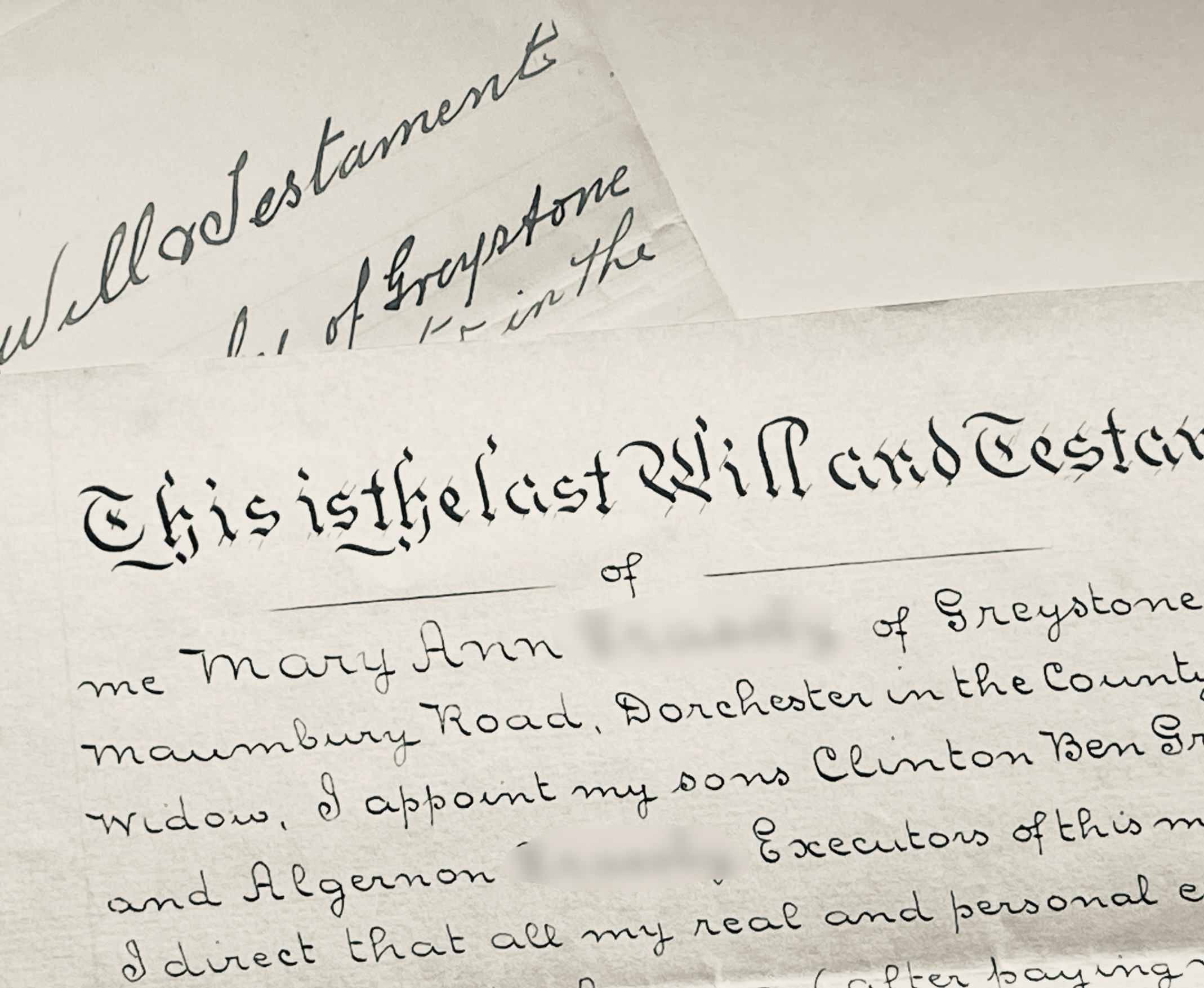
The Society for the Study of Labour History was among 1,600 organisations and individuals to respond to a Ministry of Justice consultation document, issued in December 2023, which put forward proposals to digitise 110 million wills before destroying the original documents in a bid to save £4.5 million in storage costs each year.
Overwhelmingly, the history societies, legal bodies, family, social and legal historians, and others who responded to the consultation, including the Society, opposed the destruction of original documents – often on the grounds that digitisation failed to capture key aspects of the original documents, and that digital formats could become obsolete and impossible to access.
There was also widespread opposition to the idea that the wills of some ‘famous or historic figures’ could be saved while other wills were destroyed. In common with others, the Society argued that the proposal was elitist, and could easily overlook individuals who, though not considered important in their own lifetimes, could later become so.
In its formal response to the consultation, the MoJ writes: ‘The government is very grateful to everyone who responded to the consultation. It was very clear from the large number of responses and the very heartfelt nature of those responses that the issue was one which engaged high levels of interest and concern.
‘There was strong opposition to any destruction of original wills or other documents. This was for a variety of reasons in terms of both a national historical resource and also for individual legal challenges. There was also a strong emotional response to the consultation, typified in the comments received on the unique nature of wills as a record of a living person’s wishes for the distribution of their assets.
‘The government accepts the compelling case that has been made by respondents and recognises the equality aspects and has therefore determined not to proceed with any reforms that involve the destruction of original wills and supporting documents currently designated for permanent preservation.’
It warns, however, that any decision to systematically digitise older wills would have to be considered alongside other calls on the MoJ budget.
And it says that the decision to retain existing hard-copy wills raises questions about the large and increasing costs of preserving the archive of original documents. It notes that the cost of obtaining a copy of a will is currently £1.50 compared with £12.50 for birth, marriage and death certificates, and says the government will be ‘giving further consideration to the fees charged’.
Justice minister Sarah Sackman said: ‘Thousands of people expressed their fierce opposition to the previous government’s proposal to destroy millions of historic wills, some dating back to the 1850s. These documents are an indispensable bridge to the lives of those who came before us. I am pleased to confirm that we will not destroy them, they will remain in storage, and – on request – are available for all to access.’
See also: Society urges government to drop ‘elitist’ and ‘foolhardy’ plan to destroy historic wills
Discover more from Society for the Study of Labour History
Subscribe to get the latest posts sent to your email.
 Society for the Study of Labour History