In the fifth of our series on meetings with figures from labour history, Mike Mecham encounters the ‘peasant poet’ John Clare.
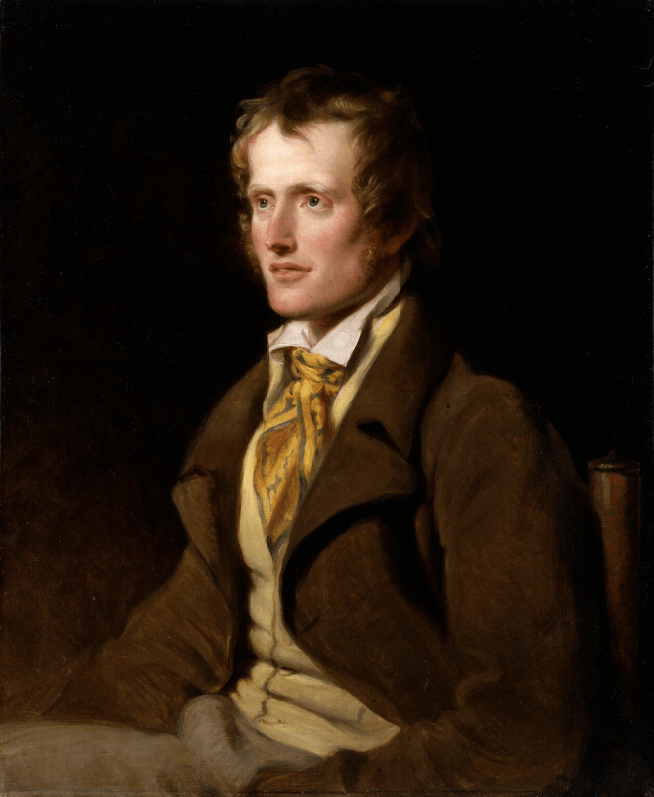
For Malcolm Chase 1820 was a pivotal political year for Britain and Ireland. It also saw the publication of the first, and most successful, collection of poems by John Clare (1793-1864), selling more copies than his stable-mate John Keats. The ‘Peasant Poet’ was then in vogue and Clare fitted the bill perfectly. But it did not last and he was to decline into mental illness for the rest of his life, spending his last twenty-three years in an asylum, while still continuing to write some of his best loved poems.
John Clare was born, in the village of Helpston near Peterborough, into an impoverished farm labouring family and himself only had a variety of casual jobs. His schooling was limited. Yet he became one of the most prolific writers of verse, though most remained unpublished during his lifetime. His range of interests and pursuits was immense. As well as his detailed observations of the natural world, he was also a folk song collector and musician, and a sublime poet of love and loss.
His writings showed him to be a champion of the poor and oppressed, giving expression to the exile and outcast, most powerfully from the asylum when separated from family and friends. He was the great poet of. place and is celebrated today by environmentalists as an early spokesman of their cause. He is now generally recognised as England’s greatest working class poet, admired by the likes of Seamus Heaney and Ted Hughes. His accounts of rural life and the relationship between the powerful and powerless provide detailed insights into English rural labour history from a working class perspective. He was a sharp social commentator. So much of what he wrote continues to resonate: from the destruction of the natural world, to the marginalisation of the poor, the plight of the refugee and conflict: ‘O cruel wars, O bloody wars/How long will you rage and burn’, he wrote in 1819. But despite his social isolation in the asylum, towards the end of his life he defiantly declared:
‘In every language upon earth,
On every shore, o’er every sea,
I gave my name immortal birth,
And kept my spirit with the free.’
(from A Vision, 1844)
Yet if I were to meet Clare, I suspect few words would pass between us. He was, in his own words, ‘A silent man in life’s affairs’. But simply to have been with him and observed him as he walked through his beloved countryside or sitting with him in the asylum would have been enough. He might also have appreciated the company in his final years when, as he lamented, ‘… what I am none cares or knows’ while ‘My friends forsake me like a memory lost.’ (from ‘I Am’, c.1846).
Dr Mike Mecham is an Irish labour historian and chair-designate of the John Clare Society. He is editor of the forthcoming collection, Clare’s People.
You can read all the Class Encounters in this series here.
Discover more from Society for the Study of Labour History
Subscribe to get the latest posts sent to your email.
 Society for the Study of Labour History