Mike Sanders reports from a conference and exhibition marking a nine-months long industrial dispute that shaped the work of Charles Dickens and Elizabeth Gaskell.

2023 sees the 170th anniversary of the start of the Preston Lockout which began as a series of isolated strikes in August/September 1853 and became a general lockout in October 1853 before reverting to a strike in February 1854 which lasted until May 1854. Despite being a momentous national event which inspired two classic Victorian novels, Charles Dickens’ Hard Times and Elizabeth Gaskell’s North and South, the lockout remained a relatively obscure part of labour history until the publication of H.I. Dutton and J.E. King’s Ten Per Cent and No Surrender: The Preston Strike, 1853-1854 in 1981. Last night, the Central Methodist Church in Preston hosted an event to remember and re-evaluate the lockout 170 years on.
During the day, students from the University of Central Lancashire (UCLAN) were on hand to discuss an online exhibition which they had curated in collaboration with The Harris and to offer guided walking tours of Preston. In the evening, Dr Jack Southern (UCLAN) hosted a varied programme of talks, film, and songs related to the lockout. Dr Lewis Darwen (Loughborough University) outlined the history of the lockout and Janet Newsham of the Preston and South Ribble Trades Council highlighted the contemporary relevance of the lockout by drawing attention to contemporary workers’ struggles. Next Dr Andrew Hobbs (UCLAN) gave a sneak preview of the contents of a special issue of the Transactions of the Historic Society of Lancashire and Cheshire which will have eight articles showcasing new research into the Lockout. This was followed by the screening of a powerful extract from an animated film by Sarah Ann Kennedy (UCLAN) which repurposes cartoons drawn at the time of the strike. The evening ended with a stirring performance of songs and ballads from the Lockout by Gregg Butler (from Strawhead) and Tom Walsh. The audience signalled their approval with a rousing ‘Three Cheers for the 10%’.
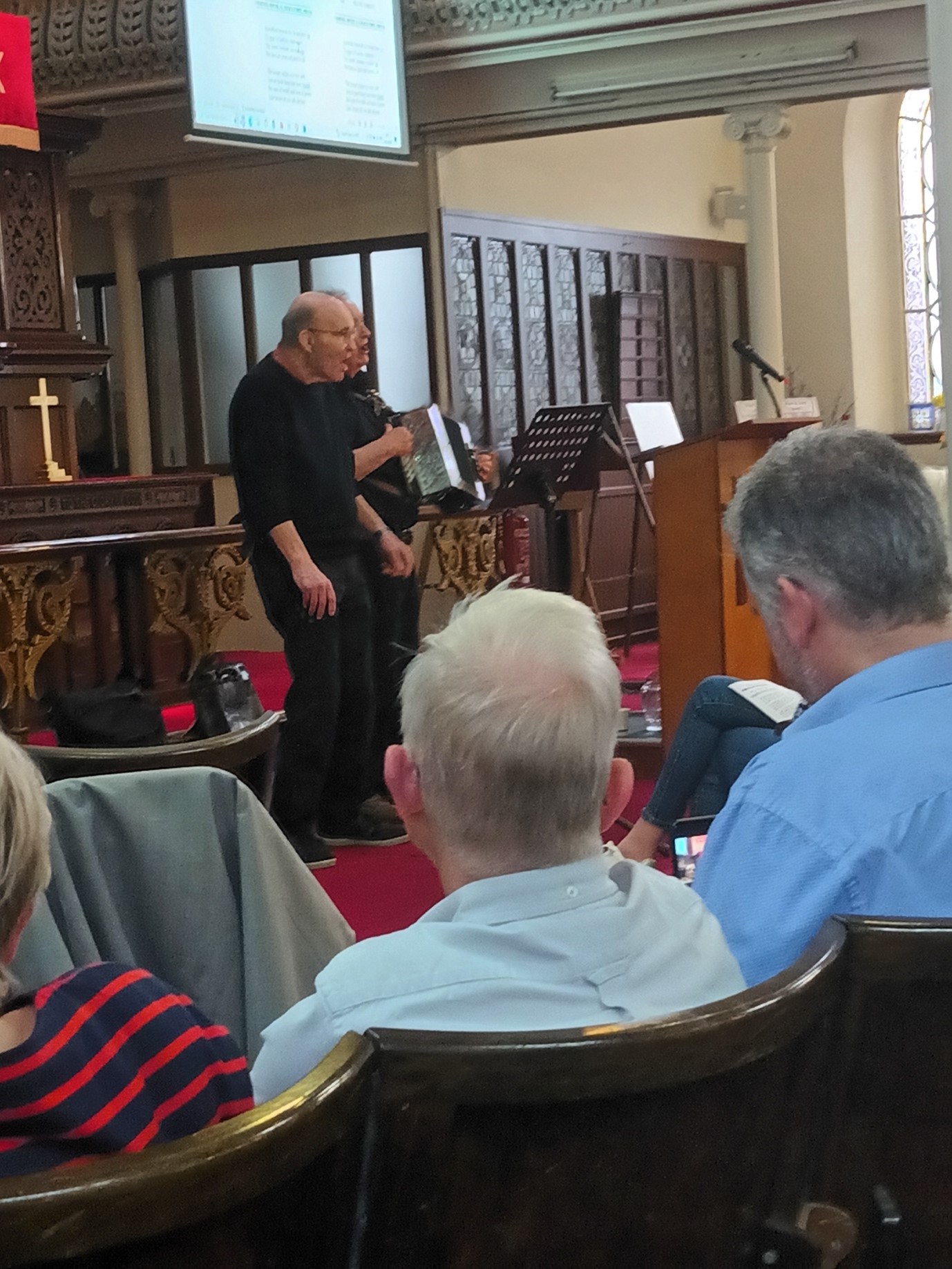
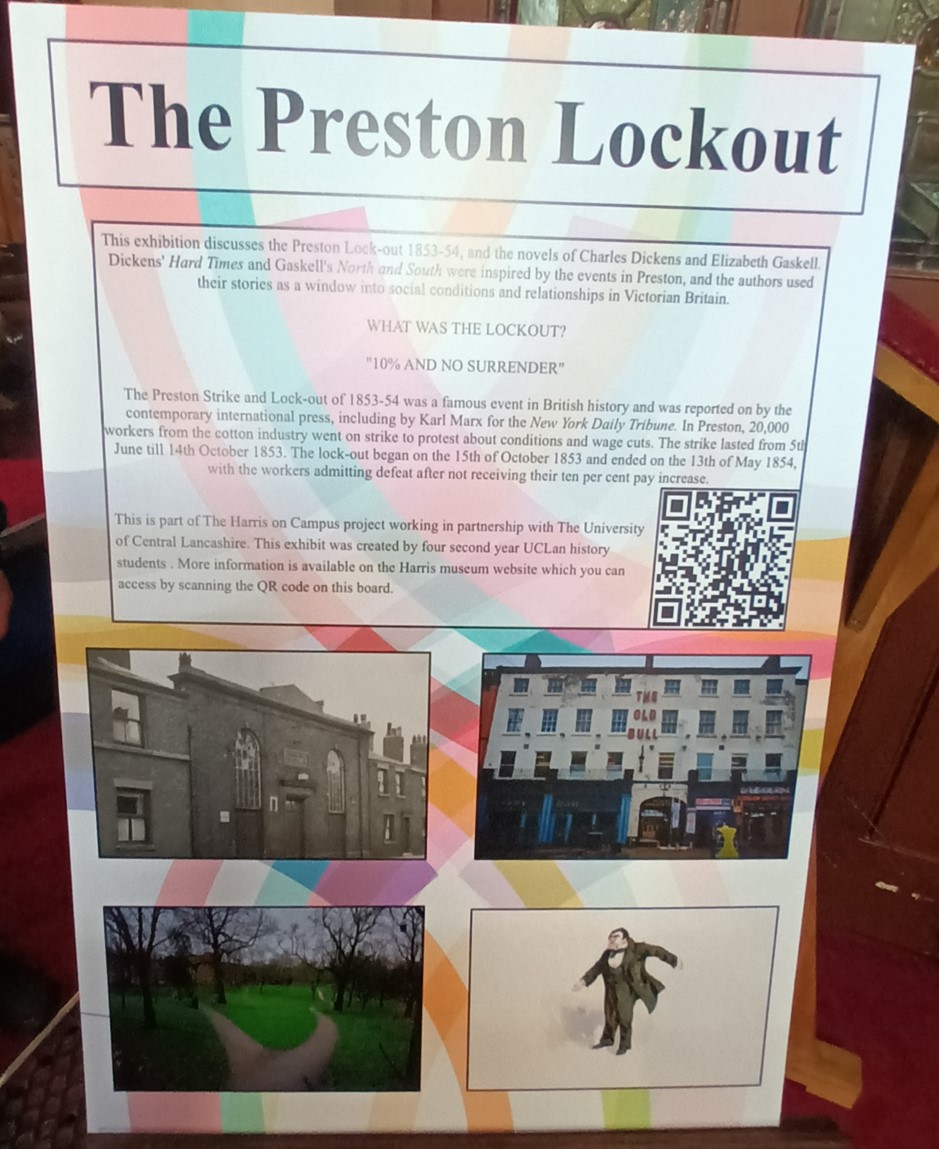

Click the images above for a larger version and to read the captions.
Discover more from Society for the Study of Labour History
Subscribe to get the latest posts sent to your email.
 Society for the Study of Labour History