The Society for the Study of Labour History is calling on the Ministry of Justice to drop plans which would see the destruction of millions of original wills dating as far back as 1858. In a written response to the government’s consultation exercise, the Society argues that the plan is both elitist and flawed.
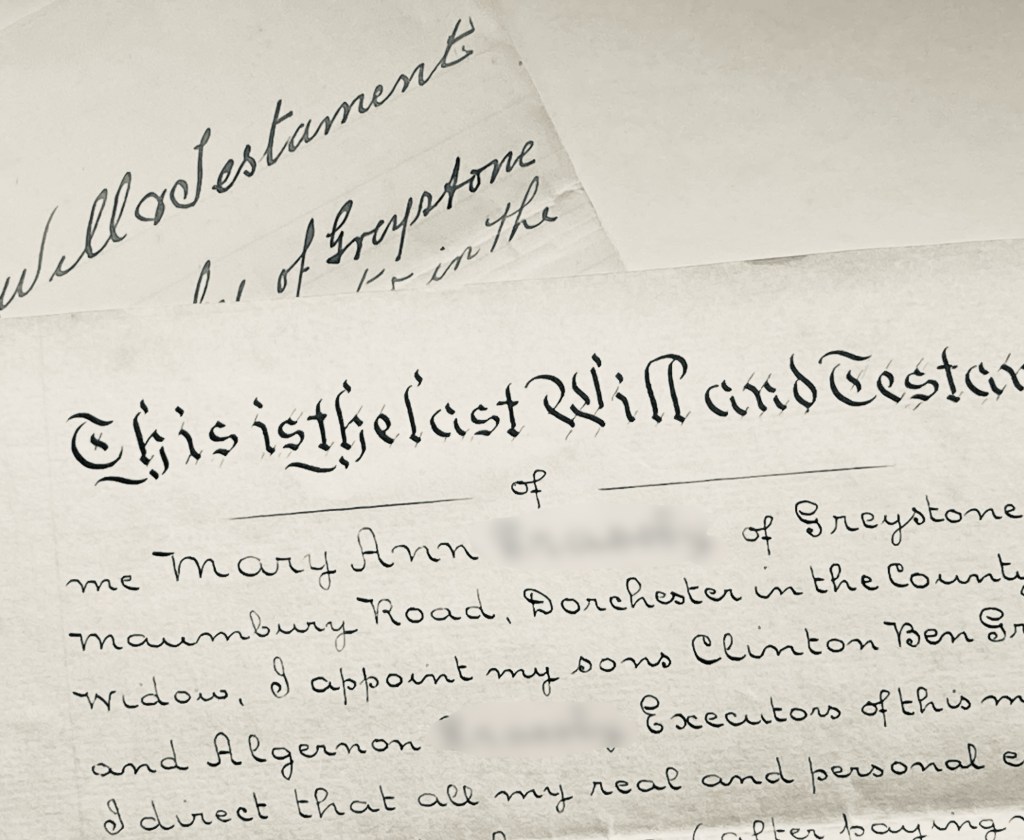
The proposals were put forward by the MoJ as a cost-saving measure. It argues that the creation of a digital record of wills will reduce ‘the heavy costs involved’ in storing the original documents by allowing government to dispose of them after a set period. It also asks for views on whether ‘for famous and historic figures that principle should not apply, and their original paper will documents should be preserved in perpetuity’. It cites as examples William Shakespeare, Jane Austen and Charles.
The Society argues in response that: ‘The lives of ordinary working people are of value and worthy of research and tell us much about a society – perhaps more so than those of atypical celebrities and those from a privileged background.’ And it asks who might be considered ‘historic’, and how this would be decided. ‘It is impossible to predict which individuals and topics will be of interest to future generations. Or how the information contained will be data mined in decades to come.’
The Society says that it welcomes proposals to digitise records and make them more widely available, but strongly opposes ‘the foolhardy and short-sighted proposal to destroy the original documents’. It warns that digitised records can complement but not replace original documents, adding: ‘Digital objects degrade.’
The government proposal has been widely condemned by academic historians, family historians, archivists and others. The Society of Genealogists cast doubt on the government’s ability to manage the digitisation project based on its previous track record. It went on: ‘Digitisation may provide more convenient access to documents and prevent further damage by overhandling etc. BUT Digitisation is not preservation. The documents themselves are of legal and historic interest and should be preserved as such.’
At the time of writing a petition on the Parliament website opposing the MoJ proposals is rapidly gaining signatures. You can sign it here.
The government consultation exercise closes on 23 February 2024. You can respond here.
Response from the Society for the Study of Labour History
The Society for the Study of Labour History is the UK’s principal organisation dedicated to the study of labour history. Founded in 1960, and counting numerous eminent historians among our past and present members, we have a long record of involvement in campaigns to make public records more widely accessible, and of advancing popular historical research and its dissemination.
We were surprised and alarmed to hear of the proposal to destroy historic wills currently stored by the Ministry of Justice. We were particularly dismayed that the proposals would mean that ‘only the wills of famous persons’ will be preserved. While we welcome the proposal to make digital copies more easily available to genealogists and other researchers, we strongly oppose the foolhardy and short-sighted proposal to destroy the original documents.
We object on these grounds.
1. Ordinary people count and their histories are worthy of preservation. As a Society we champion ‘history from below’ and support people from all walks of life in understanding and researching their local and family histories. The lives of ordinary working people are of value and worthy of research and tell us much about a society – perhaps more so than those of atypical celebrities and those from a privileged background.
2. Wills are also a key source for academic historians both for researching individuals (who are often obscure non celebrities, but of great historical interest) and for examining groups of people who share an occupation, location, or other characteristic. For such researchers sampling will not work.
3. It is impossible to predict which individuals and topics will be of interest to future generations. Or how the information contained will be data mined in decades to come. Many records are important not just for what they say, but for the medium in which they say it: the choice of paper, the decision to write on one side or two, the inks used, the small indentations made when a writer has pushed on to the page above may all contain valuable information for future historians.
4. While the Ministry of Justice present the cost-saving element of this exercise as a good news story, providing ‘digital access for genealogists’, it represents an overall loss not a gain to the nation’s heritage. Our Officers know from direct experience of working in the sector that digital preservation is expensive, complex and prone to data loss. There are countless examples of failed technical solutions and data degradation. Archive repositories create digital surrogates, not so they can destroy the originals, but to reduce wear and tear on precious archival objects in addition to increasing and widening access. These digital objects are only surrogates and they are never intended to replace unique historical documents. Digital objects degrade. While it is possible to preserve digital records using bespoke digital solutions such as Preservica, these are expensive and require sustained investment. Digitisation is not a cheap alternative to housing physical objects. The cost of storage of originals alongside the cost of digital access should be regarded as part of the infrastructure of a democratic and open society.
5. Before putting forward proposals of this nature, the Ministry of Justice and other government departments should seek specialist advice from archivists and digital specialists so that an informed course of action can be set out. The outcry on social media, among family and academic historians and others who work to preserve our shared history, and the volume of objections the Ministry of Justic will undoubtedly receive in response to this consultation exercise show how passionate the public is about preserving resources that belong to all citizens. History records are for everyone, not just the rich and famous. The proposal to destroy original documents should be withdrawn.
You can read more about the complexities involved in digitisation projects on the Co-operative Heritage Trust website.
Discover more from Society for the Study of Labour History
Subscribe to get the latest posts sent to your email.
 Society for the Study of Labour History