Are you supervising a student studying a labour history topic for their dissertation in 2023-24? Or do you know a postgraduate researcher (MA and doctoral) or independent scholar engaged in postgraduate-level research in labour history? A bursary could provide support to fund archive or library research.
The Society for the Study of Labour History offers up to £500 for undergraduate (final year) and taught Masters students via its BA/Masters Dissertation Bursary. Its Research Bursary offers up to £750 to postgraduate researchers and independent scholars engaged in postgraduate-level research (applicants need not be registered for a research degree). Mature and part-time students are eligible, as well as those studying full-time. There is a rolling deadline for applications.
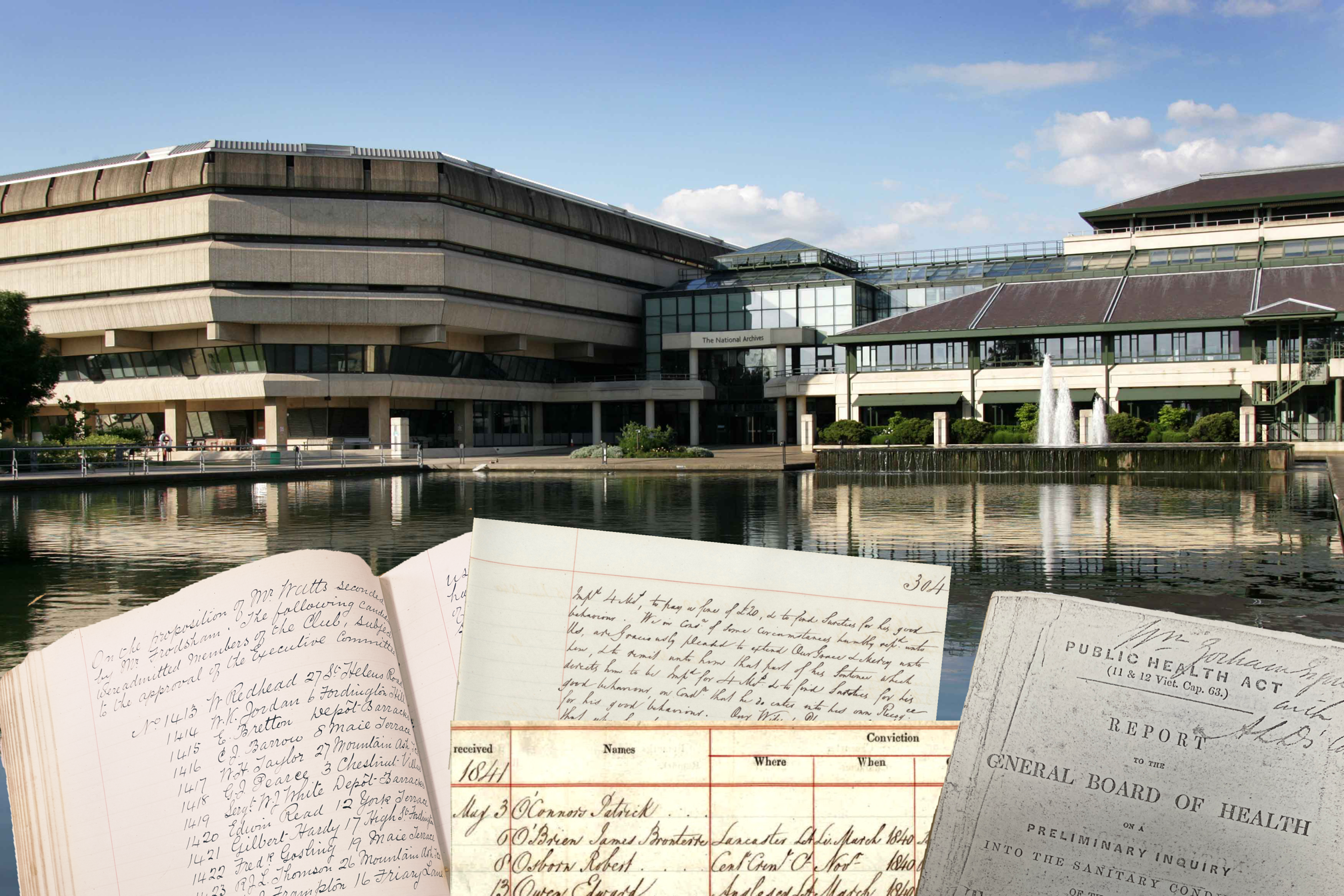
These bursaries can fund essential archival and library research or support access to online/digitised material (eg individual subscriptions to online archival databases where there is no access through the applicant’s institution). We take a broad view of ‘labour history’ that includes cultural and social aspects as well as political and institutional ones.
Previous Research Bursary award holders include: Duncan Hamilton (Manchester) for his work on ‘the abandoned romances of Thomas Cooper’; Quentin Gasteuil for research on ‘Left-wing, woman, aristocrat: in search of Elinor Bethell (1869-1943)’; Maya Adereth (LSE) on ‘trade unions and friendly society benefits in the US and UK at the turn of the 20th century’; and Petra Seitz (UCL) to look at office design, asking the question ‘where do you cry in an open plan office?’.
Siân Davies (Edinburgh) researches the Pennant family and the labour history of their estates in North Wales and Jamaica c1780-c1900. She used an SSLH Research Bursary towards an archival visit to Jamaica. As she notes:
‘The Pennant family owned and managed sugar plantations in Jamaica, worked on by enslaved, indentured and later free labourers. From the 1780s onwards the family also owned and oversaw the management of Penrhyn Quarry in North Wales near where I grew up. With a generous bursary from SSLH I was able to undertake research in Jamaica, visiting the National Archives in Spanish Town the National Library in Kingston as well as some of the locations of my PhD research in Clarendon. The time I spent in Jamaica was invaluable not only for the information I was able to access in the archives but also for the benefit of being able to visit the locations of the labour I am studying.’
BA/MA Dissertation bursary awards have supported researchers including: Marie Mrvova (Huddersfield) for her project using oral history to uncover the stories of women political prisoners; Klara Rihakova (Northumbria) for research examining transnational student activism in the Prague Spring of 1968; Tom Millea for research into labour solidarity between Britain and Ireland in the Dublin lockout; and Jessica Kumar (Liverpool John Moores) on exploring the League of Nations Union in the North-West of England.
James Squires (Sheffield Hallam) received a BA/Master Dissertation bursary to develop research on the relationship between the CPGB and Labour Party. For James:
‘this bursary allowed me to commence research at the Marx Memorial Library and the National Archives to look at key documents linked to my dissertation on the Labour Party’s relationship with the Communist Party of Great Britain (CPGB) throughout the 1920s. This trip introduced me to the activities of the National Left-Wing Movement, a communist-dominated body which attempted to overcome Labour proscription on communist activities. I became extremely interested in this movement, and it featured in my MA dissertation at the University of Sheffield, where I examined political schisms within the inter-war Labour movement. Ultimately, this trip helped confirm my strong fascination with British radical politics, and as a current PhD student at Sheffield Hallam examining the links between the CPGB and anti-conscription movements during the First World War I am grateful for the Society’s help in developing my research interests.’
Applicants do not need any previous history with the Society to be considered nor be an existing member of the Society to apply. If successful, they will need to join the SSLH, and the bursary will cover the cost of doing so.
Download further details and application forms.
Find out how bursary holders used their SSLH awards:
Dr Nicole Robertson is a member of the Society for the Study of Labour History’s executive committee.
Discover more from Society for the Study of Labour History
Subscribe to get the latest posts sent to your email.
 Society for the Study of Labour History